
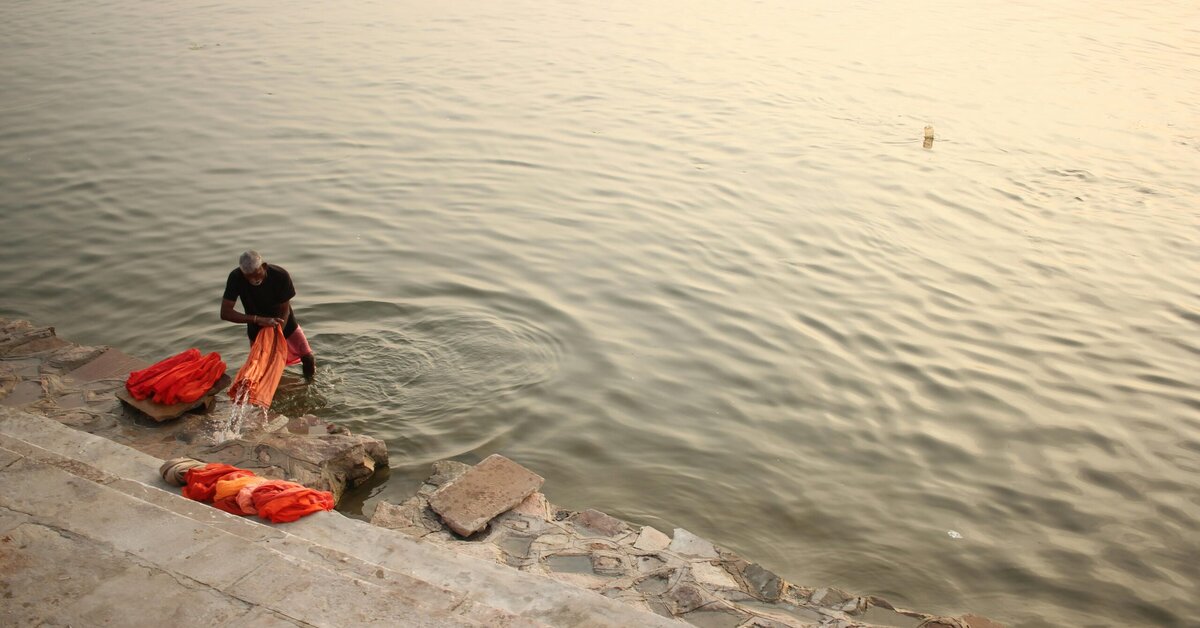
Varanasi Ghats Most Suitable for Meditation and Peace ,Have you ever wondered where seekers and sages have found enlightenment for thousands of years? The ghats of Varanasi aren’t just stone steps leading to the Ganges—they’re ancient meditation platforms where the boundary between material and spiritual worlds dissolves with the morning mist.
In a city pulsing with life, death, devotion, and chaos, finding spaces for genuine meditation might seem impossible. Yet Varanasi’s 88 ghats offer a spectrum of experiences, from the bustling to the blissfully serene. Some ghats throb with ceremonial energy and tourist crowds, while others remain sanctuaries of silence known primarily to longtime residents and serious practitioners.
The Ganges itself creates a natural meditation aid. Its constant flow mirrors the Buddhist concept of impermanence, its sacred status elevates ordinary sitting into spiritual practice, and its sheer presence—ancient, patient, and accepting—provides an anchor for wandering minds. When you meditate at a ghat, you’re not just sitting by a river. You’re joining a lineage of contemplatives stretching back millennia, all seeking the same truth in the same sacred geography.
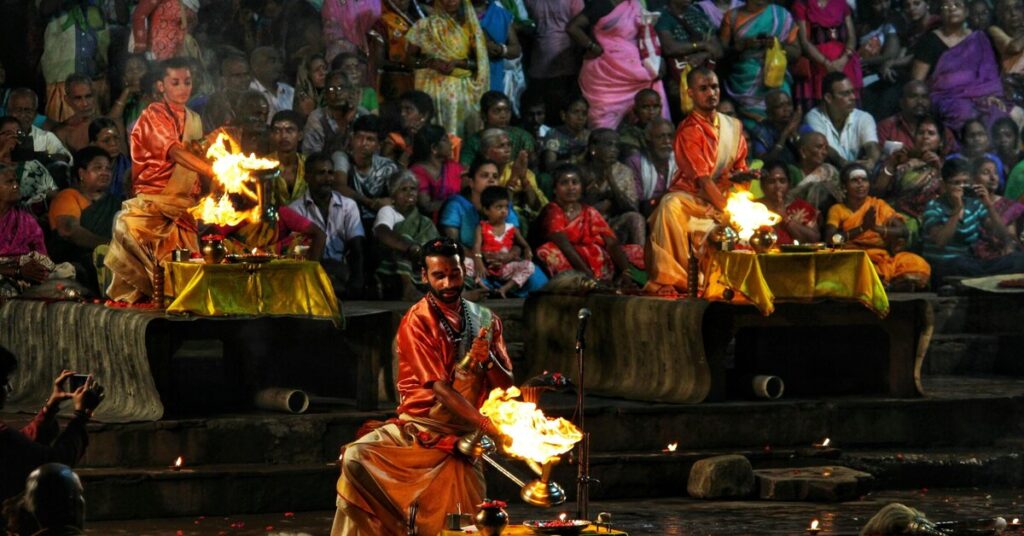
Understanding Varanasi’s Ghat Culture
What Makes a Ghat Peaceful
Varanasi Ghats Most Suitable for Meditation and Peace ,Not all ghats are created equal when it comes to meditation. Several factors determine whether a ghat supports peaceful practice or constantly interrupts it. The most obvious factor is tourist traffic—famous ghats attract photographers, tour groups, and vendors that make sustained meditation nearly impossible.
Location matters significantly. Ghats at the northern and southern extremes of the riverfront see fewer visitors because they’re farther from central accommodations and main temples. Ghats with active temples often experience more activity but can also provide supportive spiritual energy if the temple serves primarily local devotees rather than tourists.
Physical characteristics also influence meditation suitability. Ghats with shaded areas protect you from Varanasi’s intense sun during summer months. Those with broader platforms offer more space to find isolated spots. Ghats with architectural features—old pavilions, partially ruined structures, temple courtyards—provide interesting focal points for open-eyed meditation while offering some privacy.
The most peaceful ghats share common features: minimal boat traffic, distance from main tourist zones, active use by local residents who respect quiet contemplation, and natural beauty that supports rather than distracts from practice.
The Best Times for Meditation at Ghats
Timing transforms ghat experiences dramatically. The same location that’s peaceful at dawn becomes chaotic by mid-morning. Understanding temporal rhythms helps you access each ghat’s meditative potential.
Dawn (5:00-7:00 AM) is universally ideal. The city awakens slowly, light transitions beautifully, and spiritual energy peaks as locals perform morning rituals. The air is coolest, your mind is freshest, and you’ll share space primarily with serious practitioners and local residents completing daily ablutions.
Late morning (9:00-11:00 AM) becomes increasingly busy at popular ghats but can still be peaceful at lesser-known locations. Midday (12:00-3:00 PM) is generally poor for meditation—heat, glare, and maximum activity make concentration difficult. Late afternoon (4:00-6:00 PM) offers renewed possibility as temperatures drop and different energy emerges.
Evening (6:30-8:00 PM) brings beautiful sunset meditation opportunities but also increased crowds at ghats hosting evening aarti ceremonies. Post-aarti (after 8:00 PM) sees crowds disperse, creating unexpected pockets of nighttime serenity for those comfortable meditating after dark.
Assi Ghat: The Southern Sanctuary
Morning Meditation by the Sunrise
Assi Ghat marks the southern boundary of Varanasi’s main ghat stretch, and this geographical position creates unique meditation opportunities. The ghat faces east, making it spectacular for sunrise meditation. As the sun emerges over the far bank, its golden light transforms the Ganges into liquid fire—a naturally dramatic meditation object.
The ghat’s broad platforms provide ample space to find relatively isolated spots even when other practitioners are present. Unlike narrow ghats where everyone crowds together, Assi allows you to maintain comfortable distance from others while still participating in the collective energy of morning practice.
Assi has become somewhat popular with tourists, particularly for morning aarti and yoga classes, but it remains far more peaceful than Dashashwamedh or Manikarnika. The tourist concentration occurs in specific areas, leaving other sections relatively undisturbed. Arriving before 6:00 AM ensures you secure prime meditation spots before crowds gather.
Why Assi Appeals to Seekers
Several factors make Assi particularly attractive for sustained meditation practice. The ghat hosts numerous ashrams and yoga centers, creating a community of practitioners. You’ll encounter serious spiritual seekers here—people on meditation retreats, yoga teacher training participants, and long-term residents dedicated to spiritual development.
This community presence means meditation isn’t unusual or attracting unwanted attention. At more obscure ghats, sitting in meditation can draw curious crowds, but at Assi, you’re just one among many practitioners. This social normalization of meditation practice removes self-consciousness and allows deeper immersion.
The neighborhood surrounding Assi supports spiritual practice with vegetarian cafes, bookshops selling meditation texts, and bulletin boards advertising teachers, workshops, and retreats. This infrastructure makes Assi ideal for those wanting to combine ghat meditation with broader spiritual study.
Facilities and Accessibility
Practical considerations matter for sustained meditation practice, and Assi scores well on accessibility and facilities. The ghat is easily reachable by auto-rickshaw, with good road access unlike some more remote ghats requiring complex navigation through narrow lanes.
Clean public toilets exist nearby—not universal at Varanasi ghats and important for longer meditation sessions. Drinking water is available from multiple vendors, though bringing your own bottle is advisable. Several cafes within walking distance serve breakfast, allowing you to combine morning meditation with a peaceful post-practice meal.
The ghat itself has relatively good maintenance. Steps are in decent condition, and municipal cleaners work regularly. While no Varanasi ghat is pristine, Assi maintains acceptable cleanliness standards that won’t disturb your practice with unpleasant odors or excessive garbage.
Tulsi Ghat: Literary Heritage and Tranquility
The Connection to Saint Tulsidas
Tulsi Ghat carries profound literary and spiritual significance. Named after the great saint-poet Tulsidas, who lived here in the 16th century while composing the Ramcharitmanas (the Hindi version of the Ramayana), the ghat retains a scholarly, contemplative atmosphere.
This heritage creates a specific energy. Tulsidas was a bhakti (devotional) saint who combined profound scholarship with accessible poetry and deep meditation practice. The ghat seems to retain this synthesis—intellectual yet devotional, learned yet approachable. For those whose spiritual practice combines study with meditation, Tulsi Ghat feels particularly supportive.
The ghat hosts a small temple and the house where Tulsidas supposedly lived, now converted into a shrine. These provide additional meditation spaces beyond the main ghat steps. The temple courtyard, especially, offers a semi-enclosed area where you can meditate with some protection from sun and curious onlookers while maintaining proximity to the river’s energy.
Shaded Platforms for Extended Practice
One of Tulsi Ghat’s most valuable features for meditation is its shaded areas. Several old pavilions and temple structures create natural shade, making extended practice possible even during warmer months when exposed ghats become uncomfortably hot by 8:00 AM.
These shaded platforms become semi-private meditation rooms. You can set up for longer sessions without harsh sun exposure. The stone stays relatively cool, and the architectural framing creates a sense of contained space that many practitioners find supportive for concentration.
The shade also means the ghat remains usable for meditation throughout more of the day than fully exposed locations. While early morning remains ideal, you can practice successfully at Tulsi Ghat until 10:00 or 11:00 AM before heat becomes prohibitive, extending your practice window considerably.
Shivala Ghat: Royal Serenity
Architectural Beauty That Inspires Calm
Shivala Ghat stands adjacent to a former royal palace, and this heritage shows in its architectural elegance. The ghat’s design is more refined than typical utilitarian riverfront steps, with elegant pavilions, ornate railings, and aesthetic proportions that please the eye and calm the mind.
Beautiful surroundings support meditation practice. When your gaze naturally rests on harmonious architecture rather than chaotic development, the mind settles more easily. Shivala provides this aesthetic support—the palace facade, the well-proportioned steps, the thoughtful positioning of temple structures create visual harmony that extends into mental harmony.
The palace itself, though no longer royal residence, maintains an atmosphere of dignity and order. Security presence keeps aggressive vendors and excessive noise to minimum levels. This doesn’t mean Shivala is silent—it’s still Varanasi—but the chaos is moderated, making meditation more accessible to those who struggle with extreme sensory stimulation.
Fewer Crowds, Deeper Silence
Shivala’s location slightly north of the main tourist concentration means it attracts fewer visitors. Tour groups rarely include it, and independent travelers who stick to central ghats miss it entirely. This obscurity creates exactly the conditions serious meditators seek.
On weekday mornings, you might find yourself alone at Shivala except for a few local residents. Even when others are present, the ghat’s spacious design prevents crowding. You can position yourself to face the river with enough distance from others to feel solitary while benefiting from the collective energy of shared sacred space.
The reduced boat traffic here also supports practice. Dashashwamedh and neighboring ghats experience constant boat approaches—tour boats, commercial traffic, pilgrims—creating visual distraction and noise. At Shivala, boat activity is minimal, allowing your attention to rest on the river’s natural flow rather than constant human intervention.
The Palace View Meditation Experience
An interesting meditation variation at Shivala is facing away from the river toward the palace. This reverses the typical ghat meditation orientation but offers unique benefits. The palace facade provides a stable, beautiful focal point for open-eyed meditation.
Practicing this way eliminates river traffic distraction while maintaining connection to the ghat’s sacred energy. The palace’s symmetrical architecture naturally draws the eye toward center, supporting concentration. Early morning light hits the palace facade beautifully, creating changing shadow patterns that can serve as impermanence meditations.
This approach also allows periodic glimpses of the river behind you without making it the primary meditation object. Some practitioners alternate—beginning by facing the palace to establish concentration, then turning to face the river for open awareness practice once stability is achieved.
Hanuman Ghat: Monkey Guards and Morning Peace
Early Dawn’s Special Energy
Hanuman Ghat, named after the monkey god and deity of devotion and strength, carries distinctive energy that serious practitioners often notice. There’s something focused and powerful here—less ethereal than some ghats, more grounded and protective. For meditation practices requiring sustained concentration and protection from mental distraction, Hanuman Ghat provides excellent support.
The early dawn period here is particularly special. Between 5:00 and 6:30 AM, before the neighborhood fully awakens, the ghat exists in a liminal state—neither night nor day, neither sleeping nor fully awake. This transitional quality supports meditation practices focused on witnessing consciousness itself rather than specific objects.
The monkeys that give the ghat additional character are mostly inactive at dawn, eliminating concerns about theft or disturbance. As morning progresses, they become more active, but early practitioners enjoy the ghat before monkey mischief begins.
The Temple Complex Advantage
Hanuman Ghat features an important Hanuman temple, and this creates both advantages and considerations for meditation. The advantage is the strong devotional energy—Hanuman represents focused dedication and unwavering commitment, qualities that can infuse your practice if you’re open to the temple’s influence.
The temple complex includes courtyards and covered areas where you can meditate when riverfront positions are occupied or when you prefer more enclosed spaces. These areas provide alternatives to exposed ghat steps, useful during weather extremes or when you want more privacy.
Morning aarti at the Hanuman temple (around 6:00 AM) creates powerful devotional atmosphere. While this isn’t silent meditation, practicing during or immediately after aarti allows you to absorb the ceremonial energy. Many find that devotional ceremonies quiet mental chatter effectively, making post-aarti meditation particularly deep.
Harishchandra Ghat: Contemplating Impermanence
Why Cremation Ghats Aid Meditation
Western practitioners often avoid cremation ghats, finding them morbid or disturbing. Yet traditional Buddhist and Hindu meditation practices deliberately include death contemplation as essential elements of spiritual development. Harishchandra Ghat, one of Varanasi’s two main cremation ghats, offers profound meditation opportunities for those approaching it correctly.
Watching the eternal flames and witnessing funeral rituals strips away life’s superficiality instantly. The wealth, status, beauty, and achievements you spend life accumulating—all reduced to ash in a few hours. This isn’t depressing; it’s clarifying. Death contemplation cuts through delusion and false priorities, revealing what actually matters.
Many advanced practitioners specifically seek cremation ghats for meditation because the impermanence teaching is visceral rather than intellectual. You’re not reading about impermanence in a book—you’re watching it, smelling it, absorbing it through every sense. This direct transmission penetrates deeper than any teaching.
Respectful Presence and Deep Reflection
If you choose to meditate at Harishchandra Ghat, absolute respect is essential. This isn’t a tourist attraction—it’s where families perform final rites for loved ones. Meditation here must be unobtrusive, silent, and dignified.
Position yourself at appropriate distance from active cremations, never between mourners and the pyres. Keep eyes lowered or gently closed rather than staring. If approached by Dom workers or family members and asked to leave, comply immediately without argument. Your meditation practice doesn’t supersede their grief and ritual needs.
Photography is absolutely prohibited. Even having a visible camera creates problems. Leave cameras at your accommodation when visiting for meditation. This is non-negotiable both legally and ethically.
When approached correctly, meditation at Harishchandra teaches profound lessons. The impermanence of the body becomes undeniable. The importance of spiritual practice becomes urgent—death can come anytime, so why postpone what matters most? The liberation that Varanasi promises becomes not abstract theology but pressing personal concern.
Jain Ghat: Non-Violence and Inner Peace
The Jain Philosophy Influence
Jain Ghat reflects the specific character of Jainism—disciplined, non-violent, focused on spiritual purification through rigorous self-control. While Hindu ghats dominate Varanasi’s riverfront, this ghat serves the city’s Jain community and carries distinctly Jain energy.
The Jain emphasis on ahimsa (non-violence) and aparigraha (non-attachment) creates an atmosphere particularly conducive to meditation. There’s less sensory stimulation here than at Hindu ghats—fewer bells, less dramatic ritual activity, more emphasis on internal practice. For those who find Hindu ceremonial intensity overwhelming, Jain Ghat offers gentler entry into ghat meditation.
The ghat’s architecture reflects Jain aesthetic principles—clean lines, minimal decoration, emphasis on purity and simplicity. This visual restraint supports meditation by reducing external stimuli. Your attention naturally turns inward when surroundings don’t constantly demand outward focus.
Quiet Architecture and Meditation Spots
Jain Ghat includes several covered meditation halls built specifically for spiritual practice. These structures provide shade, reduce wind, and create semi-enclosed environments ideal for extended meditation sessions. During monsoon season or extreme heat, these covered spaces make practice possible when open ghat meditation becomes difficult.
The stone flooring in these halls is typically clean and well-maintained—Jain emphasis on purity extends to physical cleanliness. You can sit directly on the stone without needing multiple layers of cloth, simplifying setup and allowing quicker settling into practice.
The ghat sees very few tourists and moderate local use, meaning you’ll often have these spaces entirely to yourself during non-festival periods. Even during Jain festivals, the community’s meditation orientation means your practice will be respected rather than interrupted.
Panchganga Ghat: Where Five Rivers Converge
Sacred Geometry and Spiritual Power
Panchganga Ghat derives its name from the belief that five rivers converge here—the Ganges and four mythological rivers. While the physical reality is one river, the spiritual significance of five-fold convergence creates powerful symbolic geometry.
The number five holds significance across spiritual traditions—five elements, five senses, five kleshas (afflictions) in Buddhism. Meditating at a point of five-fold convergence symbolically addresses all these aspects simultaneously. For practitioners working with yantra meditation or sacred geometry practices, Panchganga provides especially potent ground.
The ghat hosts several important temples and shrines, including one associated with Ramananda, an influential medieval saint. This spiritual heritage means the ghat has absorbed centuries of meditation practice, creating what Rupert Sheldrake might call a “morphic field” of contemplative energy that supports new practitioners.
Underground Meditation Chambers
One of Panchganga’s unique features is underground meditation chambers associated with some temples. These subterranean spaces exist partially below river level, creating a womb-like environment with distinctive acoustic and energetic properties.
Underground practice offers complete visual isolation from the external world. The chambers are lit minimally if at all, forcing your attention fully inward. Temperature remains stable regardless of surface conditions. Sound is muffled and transformed—the river’s flow becomes a subtle vibration felt rather than heard.
Access to these chambers may require temple connections or coming during specific hours when temples are open. Speaking with temple priests and expressing sincere interest in meditation often leads to permission, especially if you visit regularly and demonstrate serious practice. These spaces aren’t tourist attractions, so approach with humility and genuine spiritual purpose.
Chausathi Ghat: The Goddess’s Abode
Sixty-Four Yogini Energy
Chausathi Ghat is named after the sixty-four yoginis—powerful feminine deities associated with Tantric traditions. While the original yogini temple is now mostly ruined, the ghat retains associations with feminine divine energy and esoteric practices.
For practitioners working with goddess energy, shakti practices, or tantric meditation, this ghat provides supportive environment. The energy here feels less patriarchal than at purely Shaivite or Vaishnavite ghats—there’s a wild, powerful, feminine quality that some practitioners immediately recognize and respond to.
The ghat remains relatively obscure, attracting primarily serious esoteric practitioners and local devotees. This creates an atmosphere where unconventional practices are more acceptable. If your meditation involves visualization, mantra practice, or ritual elements that might attract unwanted attention at mainstream ghats, Chausathi’s privacy and specialized energy make it preferable.
Evening Meditation by Lamplight
Chausathi Ghat is particularly beautiful during evening hours. As darkness falls and oil lamps illuminate the ghat steps, shadows dance and the Ganges reflects lamplight like liquid stars. This visual beauty supports open-eyed meditation practices where external beauty draws the mind into aesthetic contemplation that gradually deepens into absorption.
Evening meditation here connects with the tantric tradition of practicing during transitional times—dawn, dusk, midnight—when veils between worlds thin. The ghat’s association with yogini worship makes evening practice particularly appropriate, as many tantric deities are invoked during nighttime hours.
Safety is generally good even during evening hours, but awareness remains important. The ghat’s obscurity means fewer people are present after dark. Meditating in pairs or small groups is advisable for evening practice, combining safety with the supportive energy of group practice.
Ravidas Ghat: The Saint’s Legacy
Devotional Music and Meditation
Ravidas Ghat honors Sant Ravidas, a 15th-century bhakti saint from the leather-working caste who became one of India’s most beloved spiritual poets. The ghat carries his legacy of devotional practice accessible to all regardless of birth status or social position.
This egalitarian spiritual heritage creates welcoming atmosphere. Unlike some ghats where caste considerations or social hierarchies remain subtly operative, Ravidas Ghat embodies radical spiritual equality. All sincere seekers are welcome regardless of background, making it particularly comfortable for those who feel intimidated by traditional Hindu caste structures.
The ghat frequently hosts bhajan (devotional song) sessions, especially in the evening. While these aren’t silent meditation, devotional singing serves as powerful meditation practice in bhakti traditions. The repetitive songs, focused on divine love and surrender, quiet mental chatter and open the heart. Participating in or listening to these sessions provides entry into meditation through music rather than silence.
Community Bhajan Sessions
The community aspect of Ravidas Ghat’s devotional culture creates opportunities for group meditation and chanting. Unlike solitary practice, group bhajan generates collective energy that can carry practitioners into states difficult to access alone.
Sessions are typically informal and welcoming. Visitors are encouraged to join, clap along, or simply listen. Musical ability isn’t required—sincerity and participation matter more than vocal quality. For those whose meditation practice feels dry or difficult, the emotional accessibility of bhakti practice at Ravidas Ghat can reignite spiritual enthusiasm.
These sessions also provide cross-cultural connection. Through music and shared devotion, language barriers dissolve. You might not understand Hindi lyrics completely, but the emotion, intention, and spiritual yearning translate universally. Many travelers report these bhajan sessions as highlights of their Varanasi experience—moments of genuine spiritual community transcending tourist-local divides.
Scindia Ghat: Partially Submerged Majesty
The Half-Sunken Temple Mystery
Scindia Ghat is famous for its partially submerged Shiva temple—a structure that tilted and sank partially into the Ganges due to the ghat’s enormous weight. This creates a visually striking and symbolically rich meditation object: a temple half in this world, half in the river, representing the threshold between manifest and unmanifest, form and formless.
The image of the tilted temple serves beautifully as focal point for meditation. Its unusual position disrupts conceptual mind—temples aren’t supposed to sink, yet here one does, continuing to exist in defiant disregard of expectations. This paradox can crack open rigid thinking, creating space for non-conceptual awareness.
Photographically, Scindia Ghat is popular, which means some tourist traffic. However, the best meditation light—early morning or late afternoon—occurs when photographers are fewer. The ghat’s northern position, requiring longer travel from central accommodations, also naturally limits crowds.
Visual Focus for Meditative Contemplation
The sunken temple exemplifies impermanence and the ultimate futility of human construction against nature’s power. Wealthy patrons built this temple with permanence in mind, yet the Ganges gradually claims it. Meditating on this image reinforces Buddhism’s core teaching: everything composite eventually disintegrates.
Yet the temple remains beautiful and sacred despite partial destruction. Priests still perform puja at accessible portions. Devotees still circumambulate respectfully. This demonstrates another profound truth—sacredness doesn’t depend on perfect physical form. The broken can remain holy; the fallen can continue serving spiritual function.
Using the sunken temple as meditation object, you might contemplate what’s sinking in your own life—ambitions, relationships, identities. What do you grasp that’s already partially submerged? What might you release rather than struggle to keep from sinking? The temple becomes mirror for personal impermanence practice.
Practical Meditation Tips for Ghat Settings
Dealing with Distractions
Ghat meditation is never completely distraction-free. Boats pass, vendors call, dogs bark, ceremonies occur. Instead of fighting this reality, skillful meditators incorporate ambient activity into practice.
One approach is making distraction itself the meditation object. When a boat horn sounds, note “hearing.” When someone calls out, note “hearing.” Every sensory intrusion becomes opportunity to strengthen awareness rather than reason to abandon practice. This develops equanimity—the mind’s ability to remain stable regardless of external conditions.
Another technique is focusing so intently on a chosen object (breath, mantra, visual point) that environmental sounds fade to background. This requires stronger concentration but creates profound stability when achieved. The Ganges’ flow itself provides excellent sonic backdrop—constant, rhythmic, naturally meditation-supporting.
Accept that some sessions will be more disturbed than others. Don’t judge difficult days as failures. The practice is maintaining commitment regardless of conditions, developing consistency that doesn’t depend on perfect circumstances.
Choosing Your Spot and Position
Physical positioning significantly impacts meditation quality. Scout locations before sitting—test several spots to find one with good energy, appropriate distance from others, and reasonable protection from elements.
Facing the river is traditional and beautiful, but facing away toward the city or parallel to the river sometimes provides better conditions depending on light, wind, and traffic patterns. Experiment with orientations.
Elevated positions on upper ghat steps often work better than water’s edge. You’re slightly removed from boat activity, have broader view, and stay drier if the river is high. However, water’s edge provides more intimate connection with the Ganges’ energy. Test both over multiple sessions.
Consider wind direction, which changes through the day. Morning breezes might come from one direction, afternoon from another. Position yourself so wind doesn’t constantly blow hair in your face or carry smoke from cremation ghats directly into your space if you find that disturbing.
What to Bring for Comfort
Minimalist approach is generally best, but certain items significantly improve practice quality. A meditation cushion or folded blanket protects you from hard stone and provides slight elevation that improves circulation. Travel meditation cushions fold compactly and are worth carrying to India if you’re serious about regular practice.
A shawl serves multiple purposes: warmth during cooler months, sun protection wrapped loosely overhead, privacy by draping to create semi-enclosed space, and respectful covering when needed. Choose neutral colors that don’t attract attention.
Water bottle is essential, but keep it sealed to avoid contamination. Varanasi’s pollution means random objects touching the ground pick up bacteria quickly. Store water bottle in a small bag rather than setting it directly on ghat stones.
Sun protection is critical during warmer months—hat, sunglasses, and sunscreen prevent meditation from becoming endurance test. Early morning practice minimizes sun exposure, but if you meditate later, protect yourself adequately.
Don’t bring valuable items. Leave jewelry, expensive watches, and excessive cash at your accommodation. Your attention should be internal, not worrying about belongings. A small amount of money for post-meditation chai and perhaps an offering at a nearby temple is sufficient.
Seasonal Considerations for Ghat Meditation
Winter Peace and Summer Challenges
Varanasi’s seasons dramatically affect ghat meditation feasibility. Winter (November-February) is ideal—cool temperatures, clear skies, comfortable conditions for extended practice. You can meditate at almost any hour without heat becoming prohibitive. Mornings can be cold, especially pre-dawn, so dress in layers.
Winter also brings peak tourist season, meaning popular ghats become more crowded. This is another argument for seeking lesser-known ghats where tourist increase is less noticeable. Winter evenings are particularly pleasant—cool but not cold, clear visibility, comfortable for extended practice.
Summer (April-June) presents serious challenges. Heat becomes intense by 8:00 AM, making later morning or midday meditation essentially impossible without shade. Stick to pre-dawn practice or explore ghats with covered meditation spaces. Hydration becomes critical—drink water before, during, and after practice.
Summer’s heat does offer one advantage: far fewer tourists. Crowds drop dramatically during peak heat months, meaning even popular ghats become more accessible. If you can tolerate the climate, summer practice develops remarkable discipline and demonstrates serious commitment.
Monsoon’s Dramatic Energy
Monsoon season (July-September) brings unique meditation opportunities and challenges. The Ganges swells dramatically, sometimes covering lower ghat steps entirely. This flooding transforms the riverfront, creating new geography temporarily.
Rain itself can support meditation beautifully. The sound of rain on the river creates natural white noise that masks urban sounds. The cooling effect makes practice comfortable again after summer heat. The dramatic skies—clouds, lightning, shifting light—provide spectacular backdrop for open-eyed practice.
However, monsoon also brings mud, slippery stones, and practical challenges. Covered meditation spaces become essential during heavy rain. Stone steps become treacherous when wet, requiring careful movement. Bring waterproof coverings for meditation cushions and personal items.
Monsoon’s energy feels cleansing and transformative—nature asserting power over human development. Many find this season particularly conducive to breakthrough insights. The rain washes away not just physical dust but mental staleness, creating freshness that supports meditation.
Combining Yoga with Ghat Meditation
Morning Yoga Sessions at Peaceful Ghats
Many peaceful ghats host morning yoga sessions, either informal individual practice or organized classes. Combining yoga asanas with meditation creates comprehensive practice addressing both body and mind.
Assi Ghat particularly offers numerous yoga opportunities—teachers set up dawn classes, often free or donation-based. The combination of physical practice followed by meditation on the ghat steps creates ideal progression—yoga settles the body and prepares the nervous system, meditation then deepens the internal work.
If joining organized classes, arrive early to secure space and assess the teacher’s approach. Quality varies significantly—some teachers are deeply knowledgeable, others are barely trained. Watch for a few minutes, notice whether students seem genuinely engaged or just going through motions, and trust your intuition about whether to join.
Finding Teachers and Classes
Word-of-mouth remains the best method for finding quality yoga and meditation instruction at Varanasi ghats. Talk with other practitioners you meet, ask at your accommodation, check bulletin boards at yoga studios and cafes around Assi Ghat.
Several established yoga schools operate near the ghats, offering everything from drop-in classes to month-long teacher training programs. These organizations typically offer more structured instruction than informal ghat sessions and include meditation components in their curriculum.
For those seeking specifically meditation instruction rather than yoga, ask about vipassana teachers, Zen practitioners, or Vedanta scholars in residence. Varanasi attracts meditation teachers from various traditions who offer private instruction or small group sessions. These connections often happen organically through ghat encounters—conversation with someone meditating nearby might lead to teacher recommendations or practice partnerships.
Conclusion: Your Personal River of Consciousness
The search for peaceful meditation spots along Varanasi’s ghats is ultimately a search for peace within yourself. The river flows the same whether you meditate at crowded Dashashwamedh or secluded Jain Ghat. The difference lies not in the external setting but in your internal relationship with whatever conditions arise.
That said, skillful practice includes creating supportive conditions. The ghats described here offer genuine advantages for meditation—quieter environments, beautiful settings, fewer distractions, better facilities. Taking time to discover which ghat resonates with your personal practice style demonstrates wisdom, not weakness.
Each ghat carries unique energy shaped by centuries of specific activities, architectural character, and spiritual associations. Assi’s community of seekers.
Q1: Which ghats in Varanasi are best for meditation?
Assi Ghat, Shitala Ghat, and Rameshwar Ghat are popular for their peaceful atmosphere, ideal for meditation and yoga .
Q2: What’s the best time for meditation at Varanasi ghats?
Early morning (4:30-6:30 AM) is best, with serene surroundings and fewer crowds.
Q3: Can I do yoga at Varanasi ghats?
Yes! Many ghats, like Assi and Shitala, have yoga sessions at sunrise. Join a group or practice solo.
Q4: Are there any quiet ghats for peace?
Yes, ghats like Panchganga and Harishchandra are less crowded, offering tranquility and peace.
Q5: Can I meditate during Ganga Aarti?
It’s not recommended – Dashashwamedh Ghat gets crowded during Aarti (6-7 PM). Try nearby ghats or visit before/after the ceremony.




Comments are closed.